
Every school year, I changed my classroom decor. It wasn’t optional; something always needed to be different. While I hated moving classrooms, I loved the fresh start a blank slate offered. Since I spent so many hours in that room—teaching, planning, eating, on calls, and unwinding—it needed to be engaging and creative without being overstimulating. Here are some ideas to transform your space annually, keeping it both interesting and engaging.
Step 1: Create a Blank Space
- Take down old posters, student work, and any other items that have been hanging up for a while.
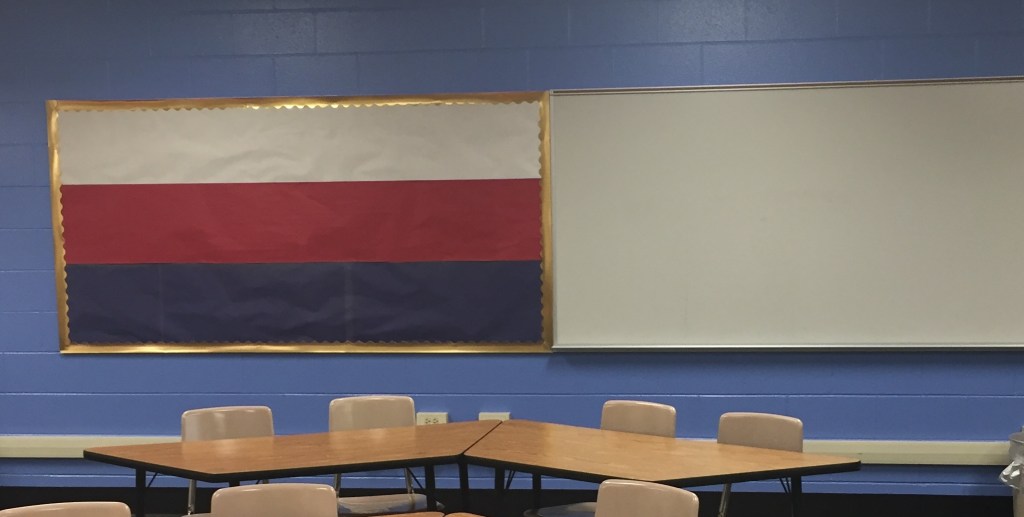
- Cover bulletin boards and other surfaces for a fresh start. You can use:
- Butcher paper
- Fabric
- Plastic tablecloths
- Painted murals
- Rearrange desks and furniture to open up the room and visualize new layouts.

Step 2: Choose a Theme
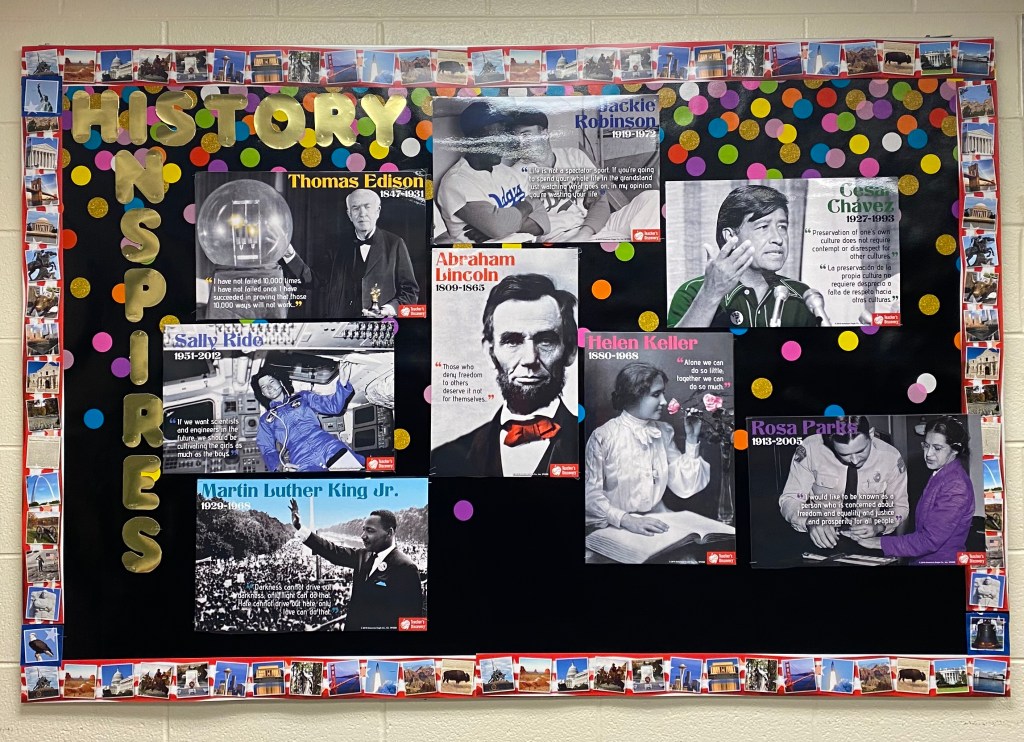
A new theme can tie your decor together and make it feel intentional. Consider these ideas:
- Historical Eras: Ancient Civilizations, Medieval Times, Industrial Revolution, or the Roaring Twenties.
- Geographical Adventures: A “World Tour,” “Journey Through Continents,” or focus on specific regions like Latin America or Africa.
- Civics in Action: “Democracy in Action,” “Rights and Responsibilities,” or “Global Citizenship.”
- Concept-Driven: “Cause and Effect,” “Conflict and Cooperation,” or “Power and Authority.”
Step 3: Let Students Decorate
Inviting students to contribute to the decor makes the space their own.
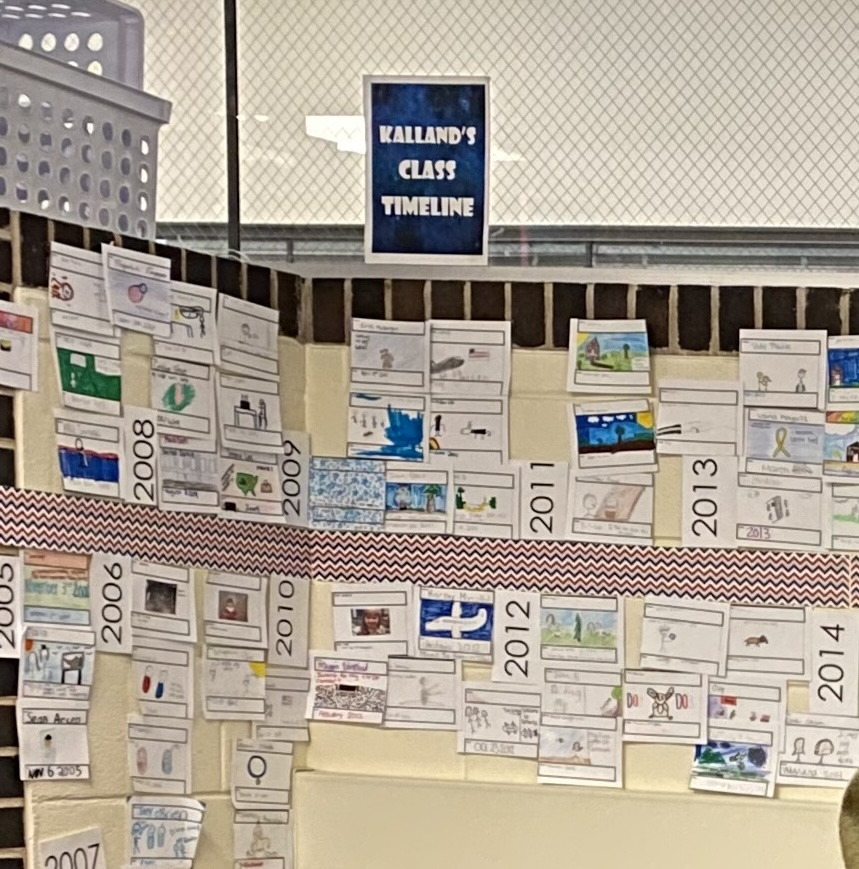
- Student-Created Artwork: Have students design posters, timelines, or maps related to current units. For several years, students created mini posters for a class timeline featuring a significant life event. These were completed on the first day and assembled in chronological order.
- Project Displays: Showcase their research projects, posters, or presentations prominently.
- Interactive Boards: Create bulletin boards where students can add sticky notes with questions, answers, or interesting facts.
- “Living History” Wall: Encourage students to bring in relevant artifacts (with permission) or photos from their own family history.
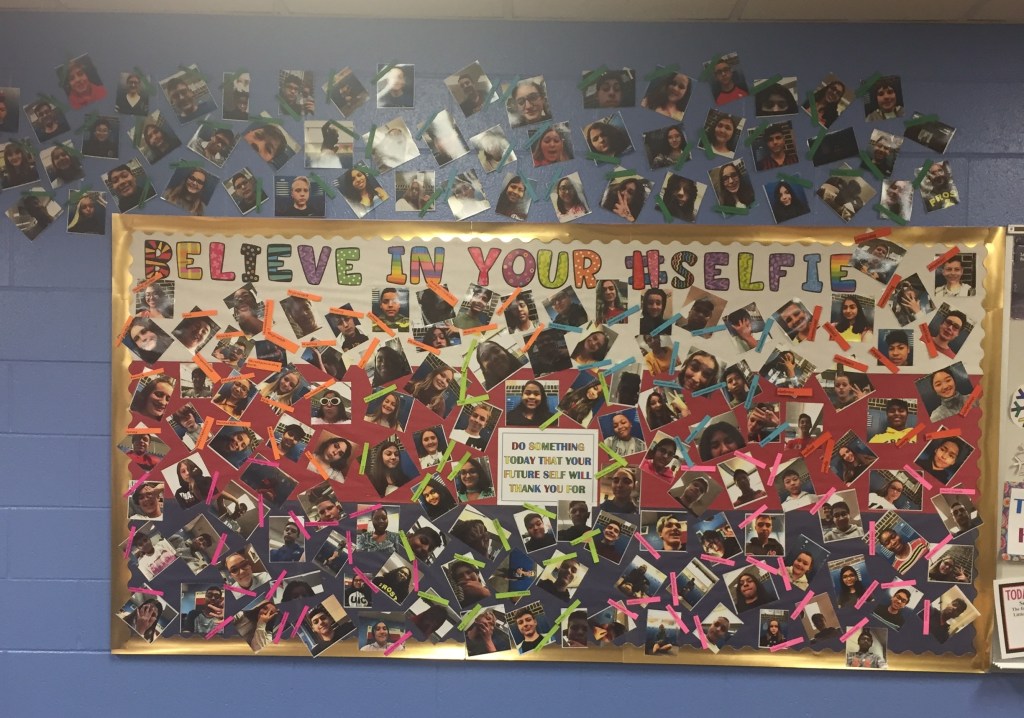
- Believe in Your Selfie: Students took selfies and selected a representative hashtag. I printed and laminated these, and allowed new students to add their own throughout the year. Hashtags were organized by class color, printed, and stapled to each selfie for display. This was a beloved part of my classroom!
Finding the Balance
Every year, I had ambitious decorating ideas. I learned to balance my goals with what was realistic. As long as I made a few changes each year, I achieved my goal of keeping the classroom a dynamic and inviting space.


 heatherthehistoryhound.com